ROBERT CAPA CONTEMPORARY PHOTOGRAPHY CENTRE
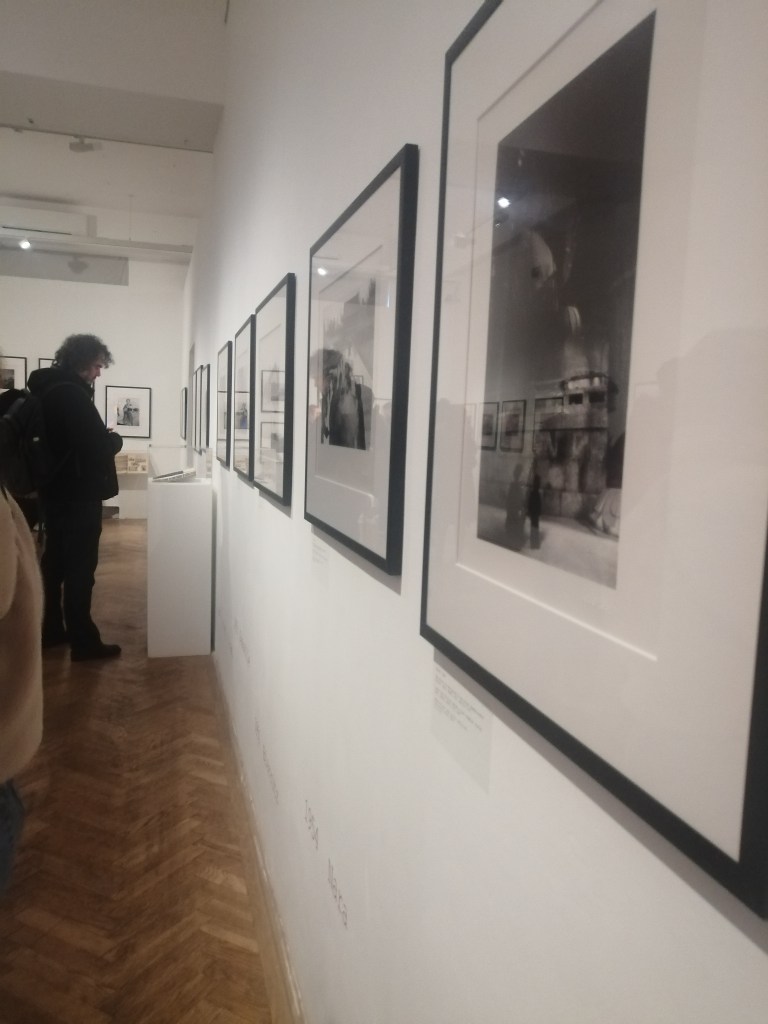
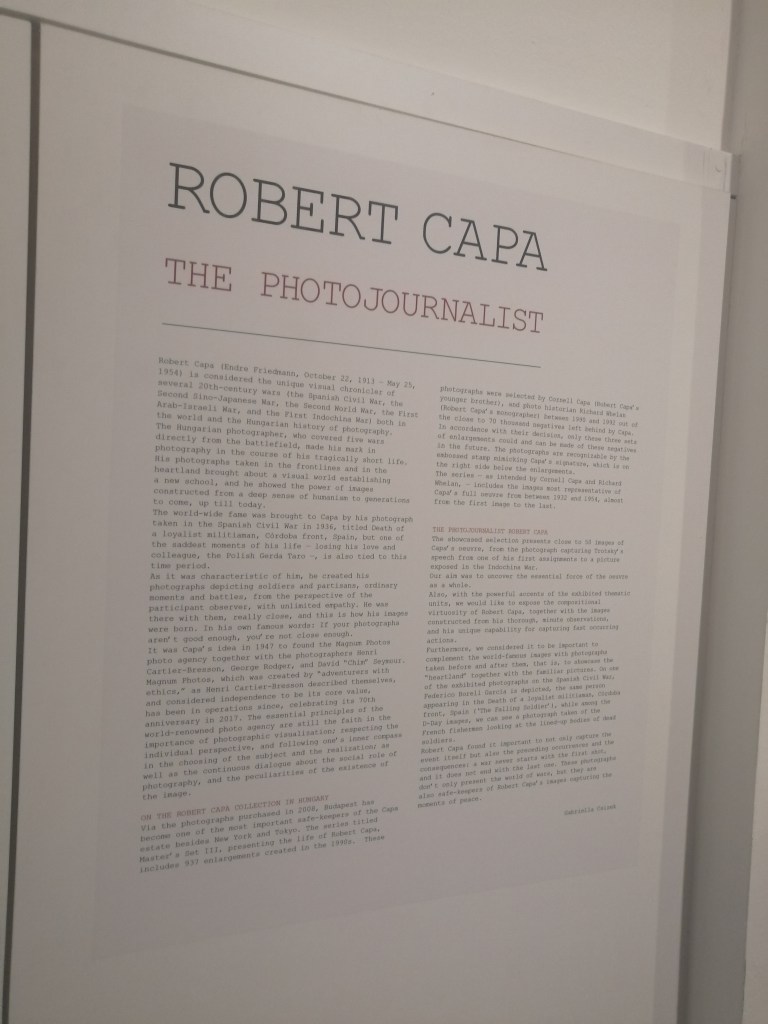
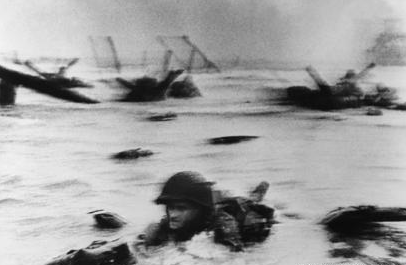
The next day consisted of more exploring and being a classic tourist, but also exhibitions. The first exhibition we went to was the Robert Capa Photography Centre, that showed Robert Capa a photographer whose images of war made him one of the greatest photojournalists of the 20th century.
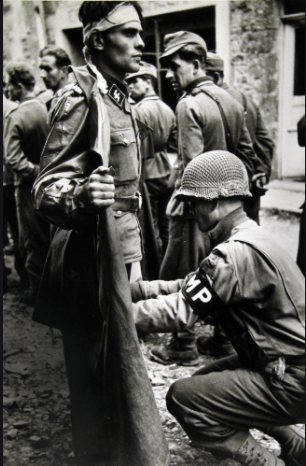
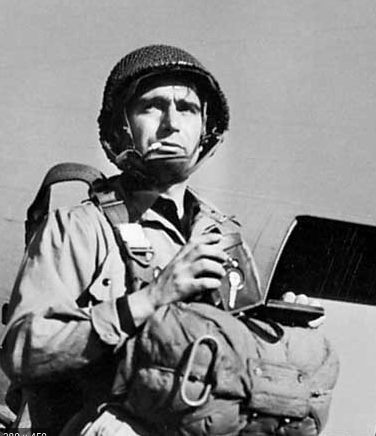
A war photographer that hated war, Capa used a small 35 MM camera to get close to the action and close to his subjects, so he was able to show the devastating effects of violence on the lives of those in its midst. His approach to Photojournalism was rooted in the idea that photographs could tell stories, that single images could get to the essence of the subjects they captured, and so his photographs of conflict were imbued with narrative and pathos. His iconic images of the Spanish Civil War and World War II are known today through their widespread reproduction on the printed page. Through his work as a war correspondent, and the publication of his photographs in magazines and newspapers, Capa set the standard for future photographers and their collaboration with major news outlets.
We weren’t allowed to take photos of the actual images but I snapped the overall look of the exhibition and context about his work. It was really interesting looking at images he’s created but never been released online, only kept in the exhibition. The high contrast,dark tones and shadows within his imagery emphasised his concept genre of war photography.
PHOTOBOOKS
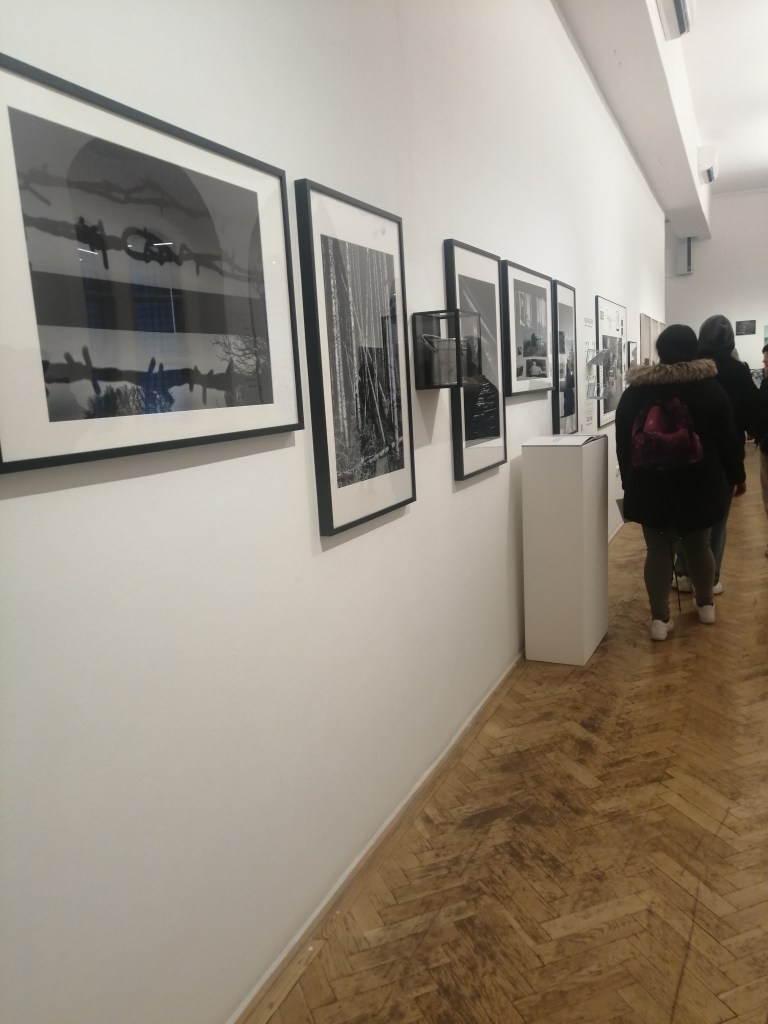
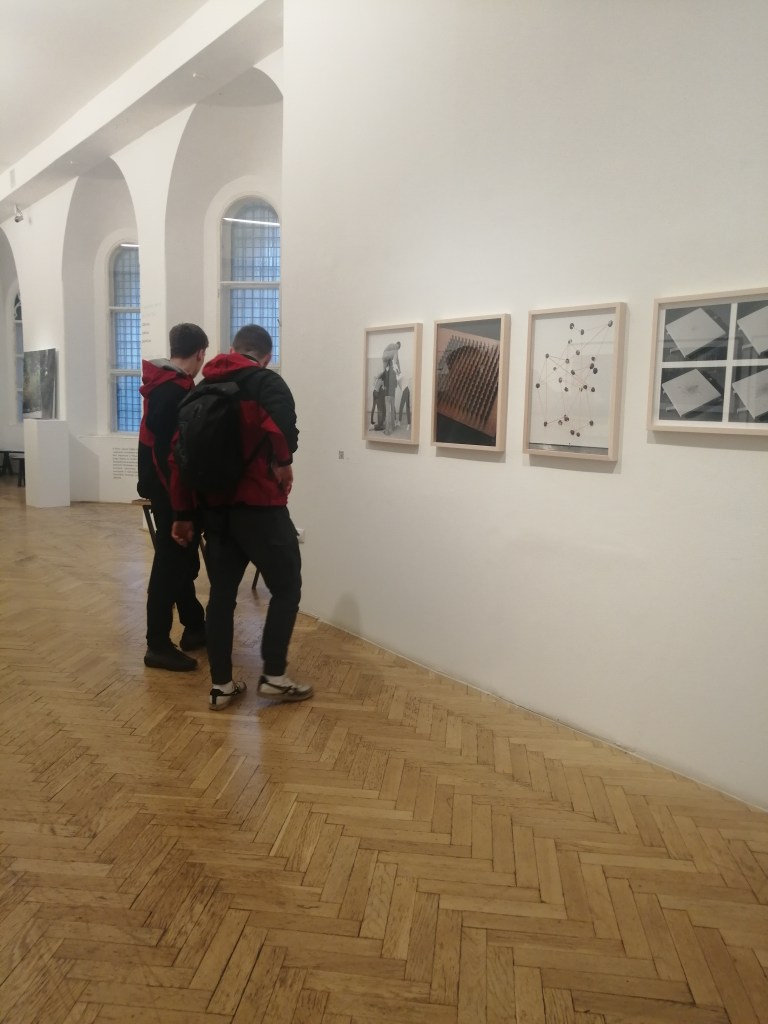
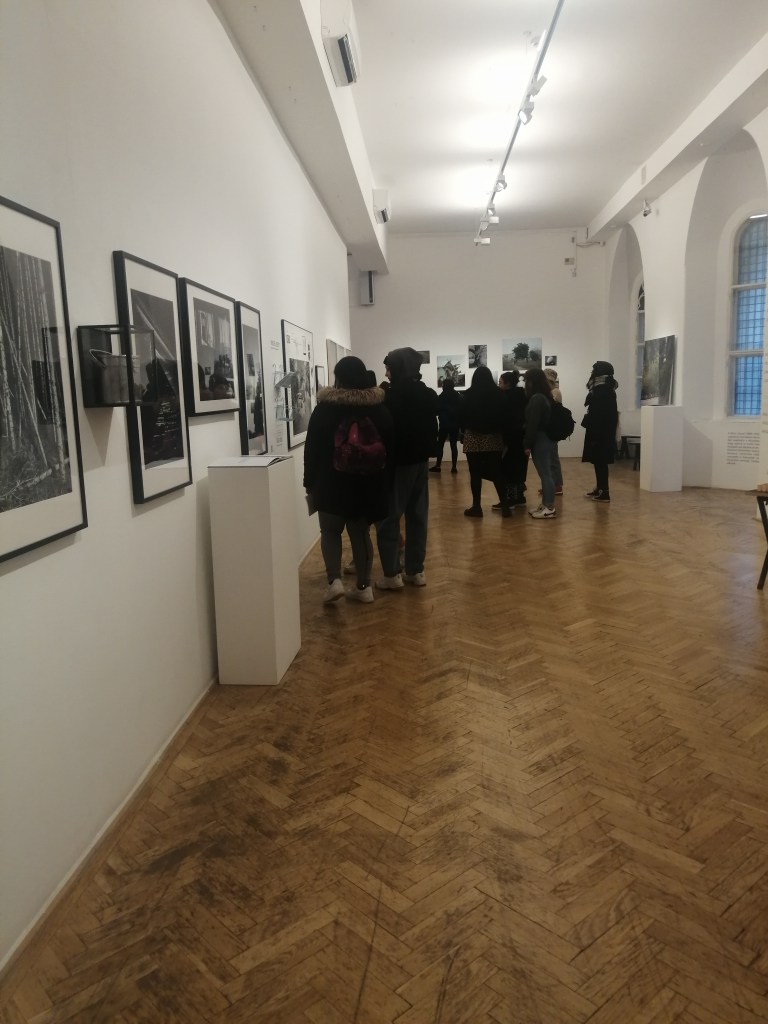
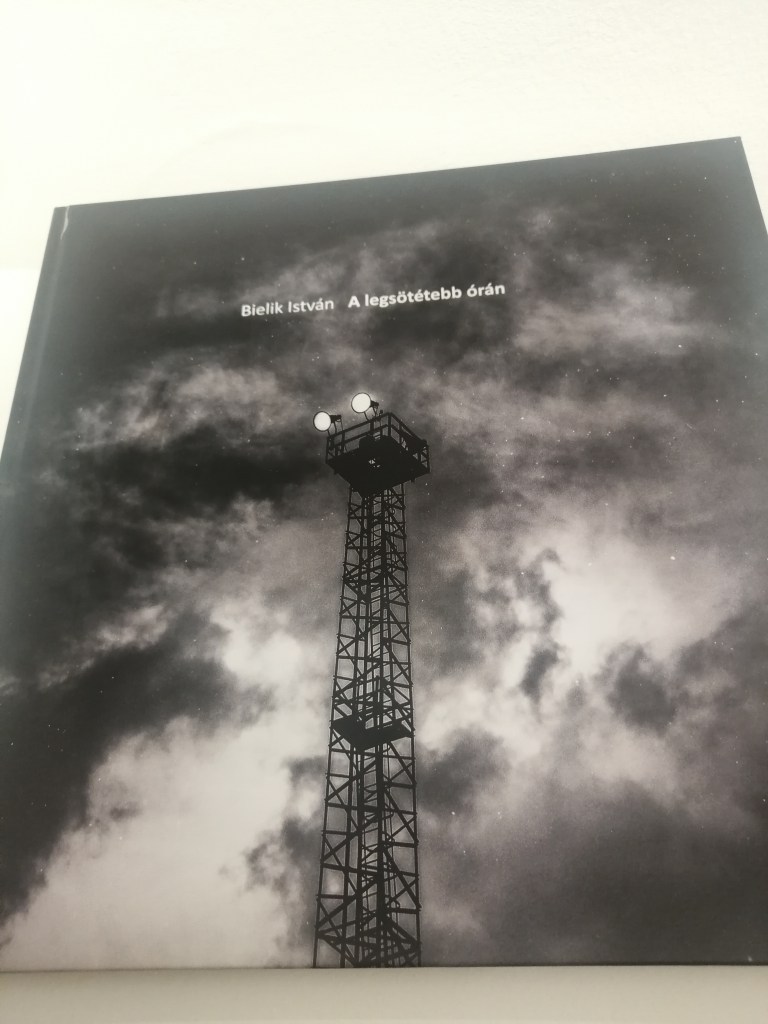
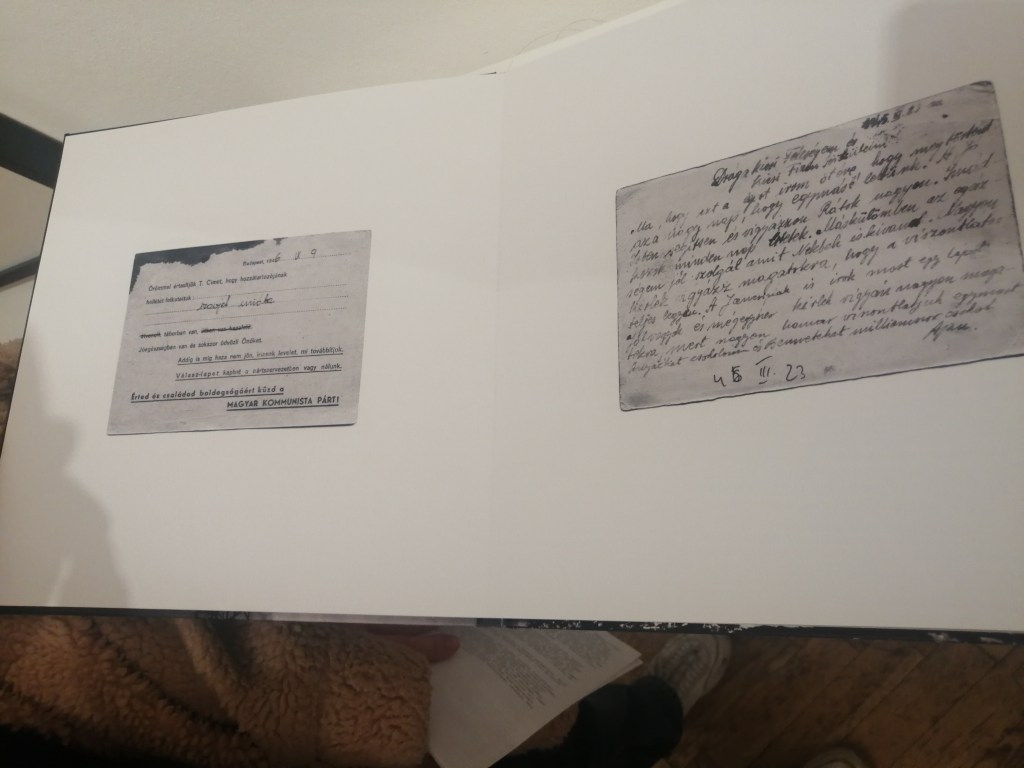
In the second room, there was more prints but also a selection of photo books that all varied in size, style and composition. This was really beneficial to look at in regards to inspiration for a separate module ‘Printed page’, where we have to create our own photo book. I liked how simplistic some of the small books were, just images allowing you appreciate the compositions and colour palette. Below is a perfect example, the texture of the pages was rough and like a newspaper, which gave it more character.
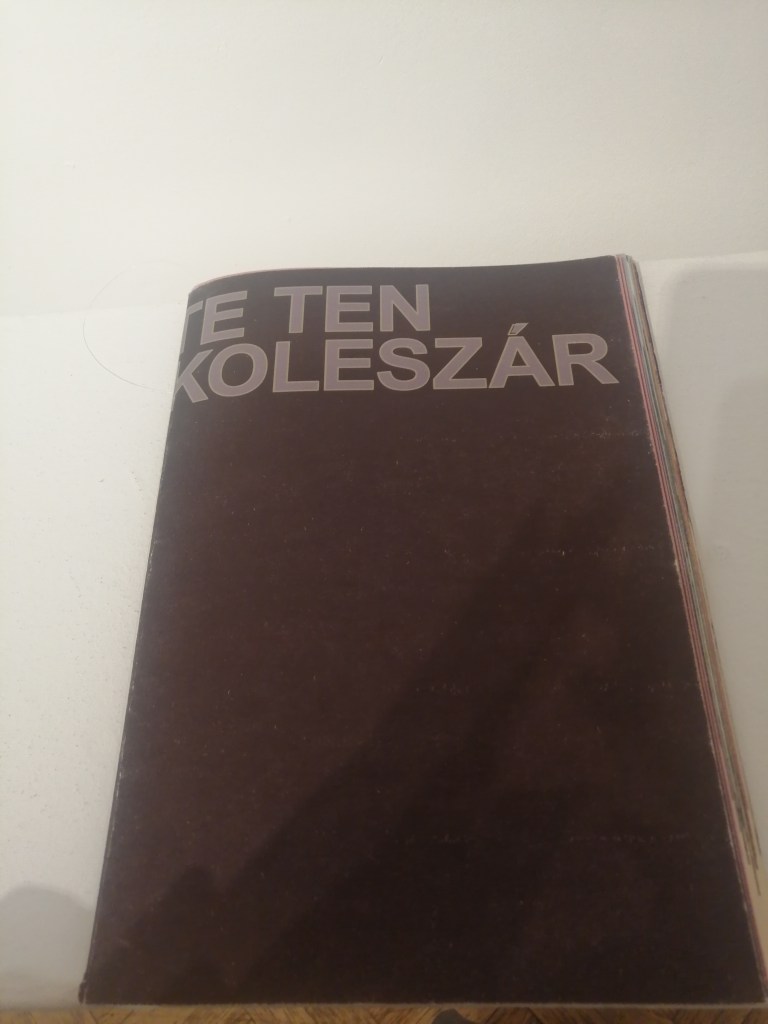
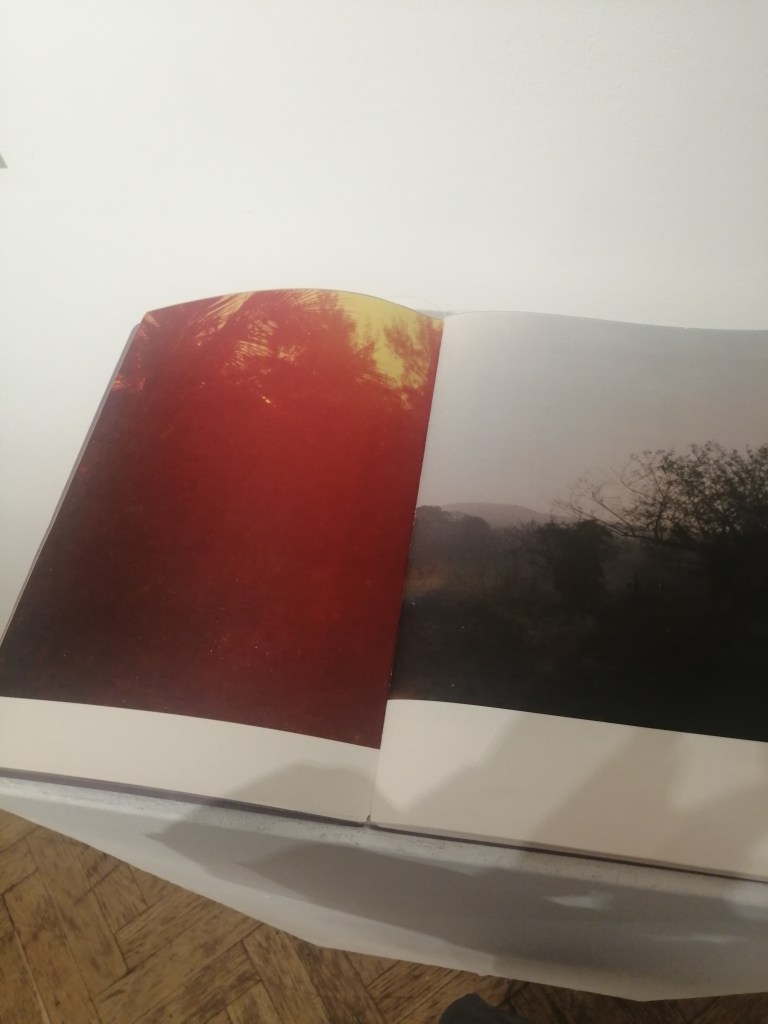
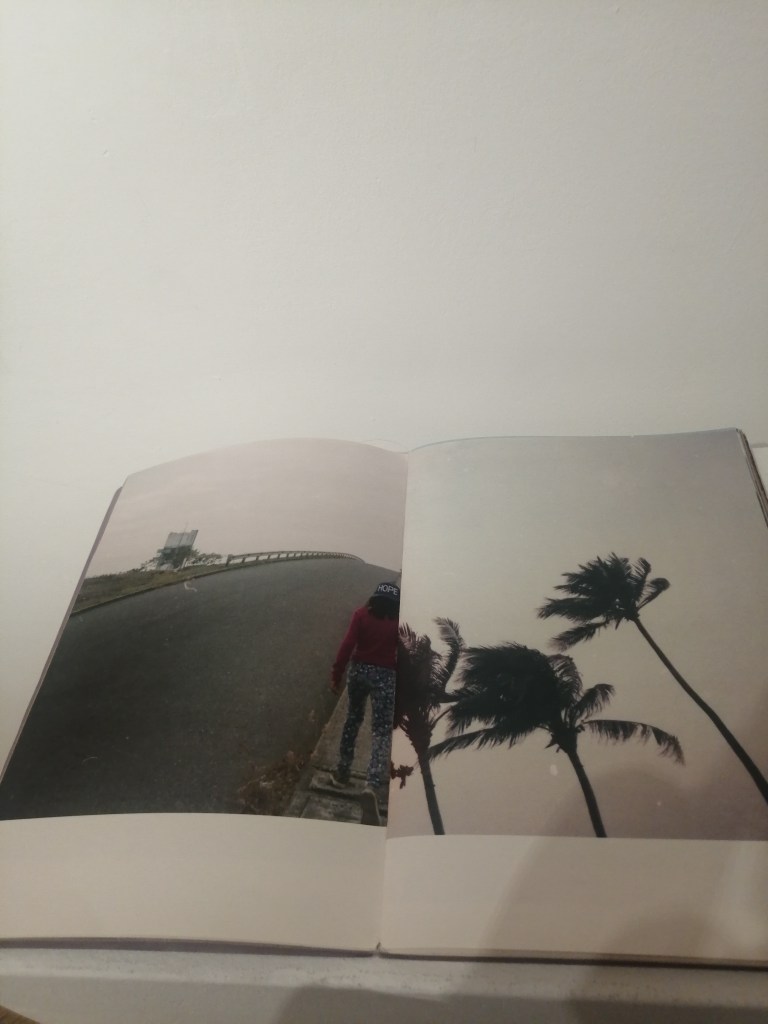
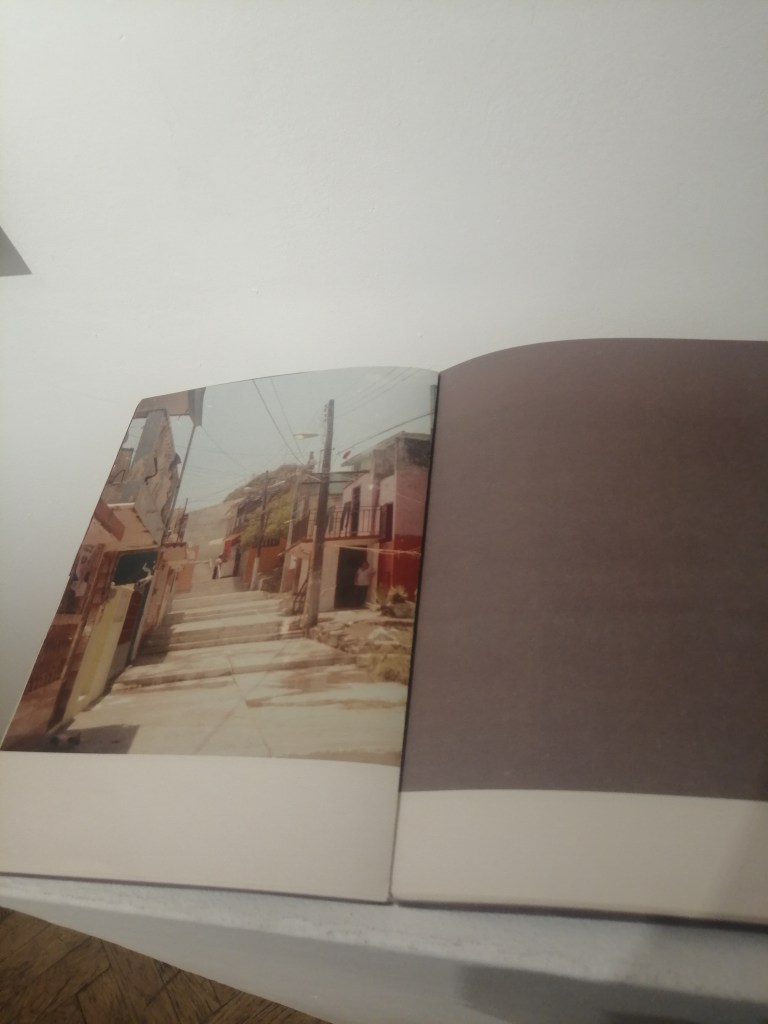
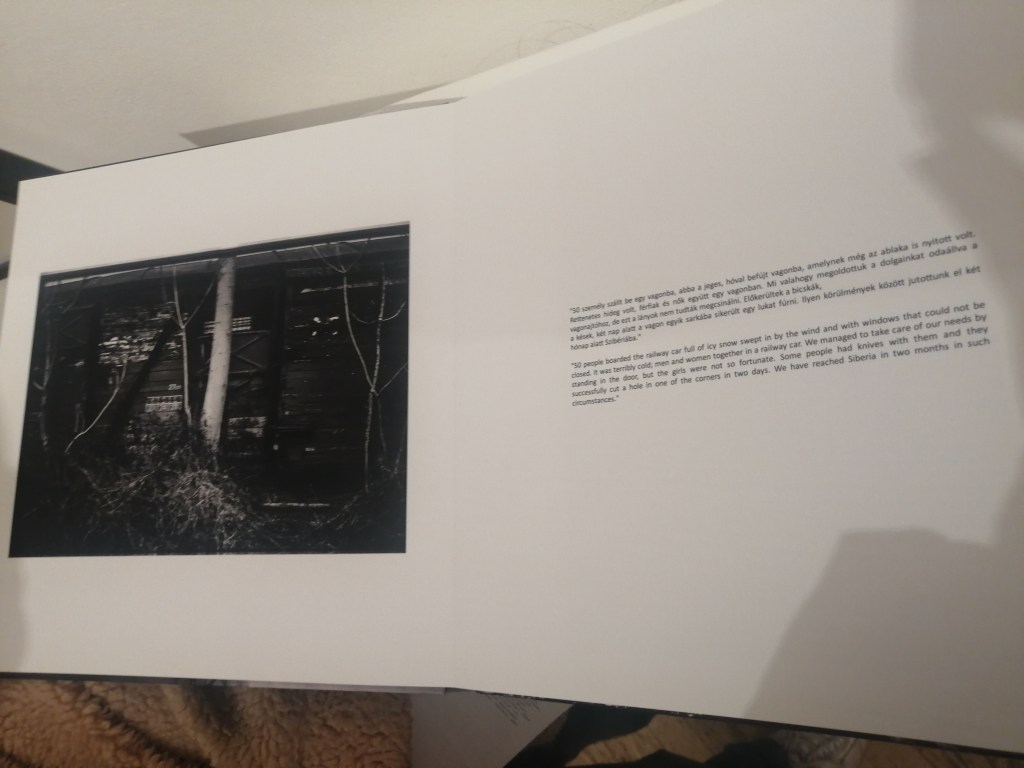
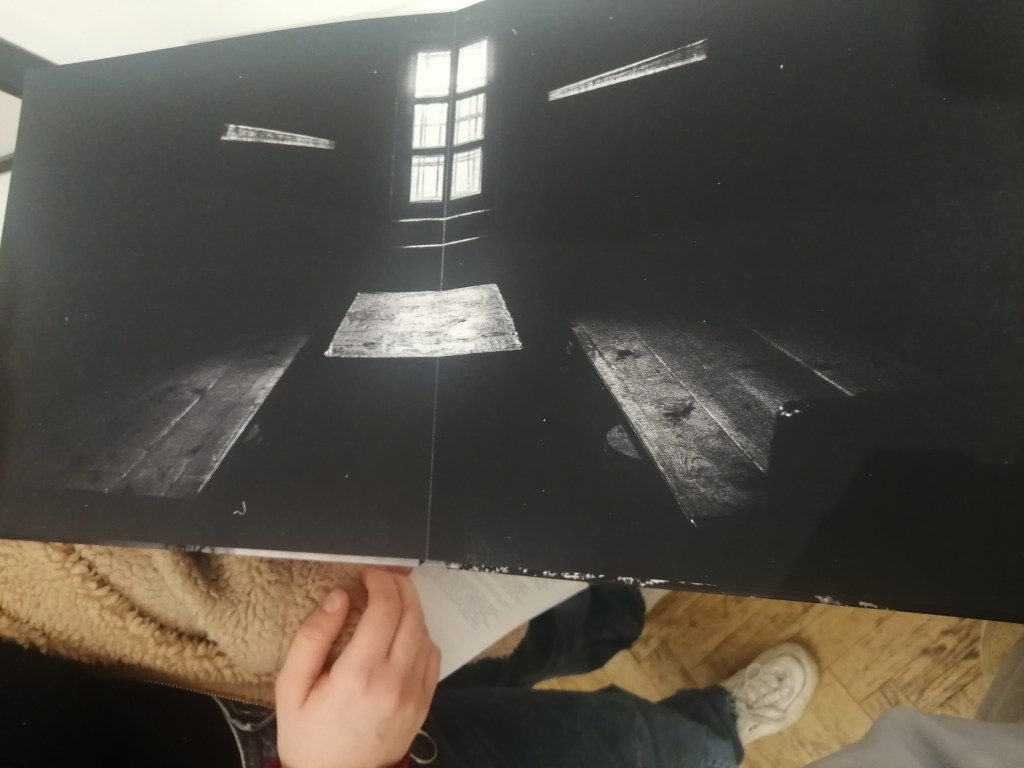
Or have just monochrome tones in the images and bigger boarders, the photo book below was a lot bigger and included small paragraphs of text to explain the photography. This is also another style I like in regards to displaying a body of work in a printed format.
 EllaMaeWardpp1